Devon Keller · 17 September 2026
Mapping the Interplay Between Hosting Changes and Long Term Digital Footprint Stability
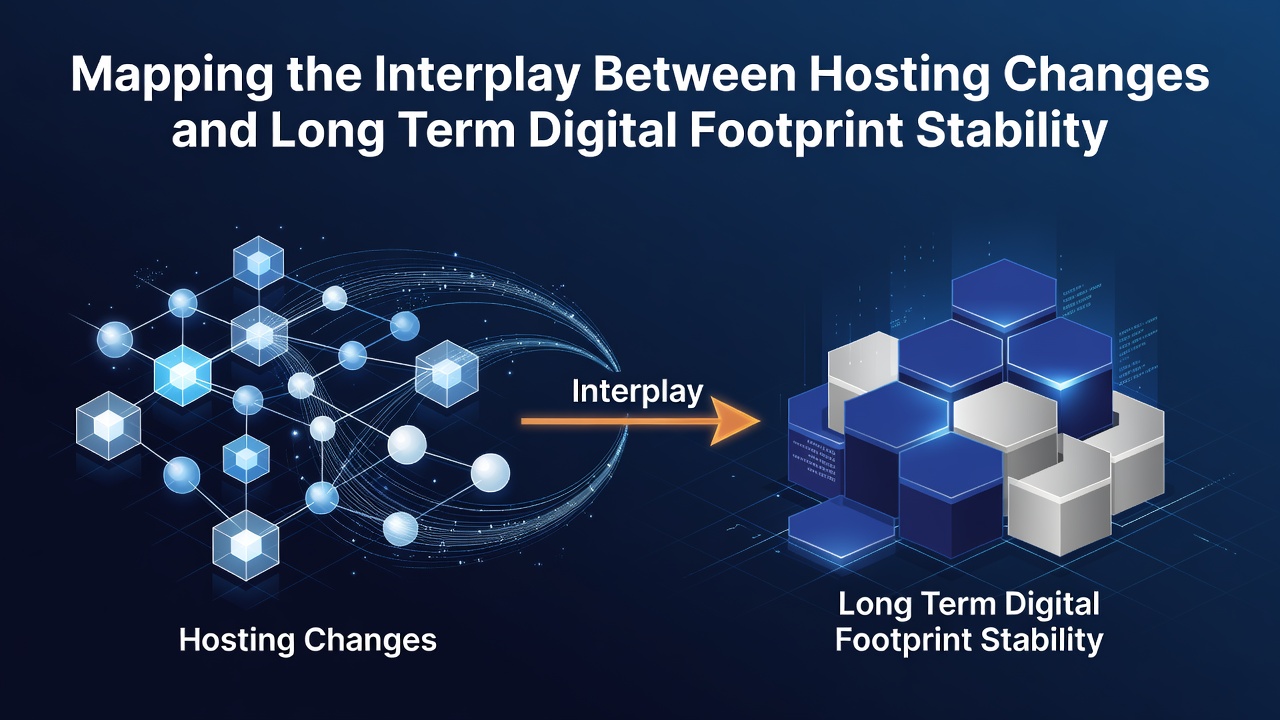
Hosting changes reshape how websites maintain presence across networks, yet the digital footprint that results from those shifts often extends far beyond any single server migration. Data from past configurations lingers in archives, search indexes, and cached copies while new hosting environments introduce fresh variables that affect accessibility, loading patterns, and historical continuity. Researchers track these interactions because each transition can alter the signals that search systems and analytics platforms use to assess long-term stability.
Core Elements of Digital Footprints in Web Environments
Digital footprints consist of accumulated records that include backlink profiles, content snapshots, DNS histories, and server response patterns collected over years. Observers note that these elements remain even after a site moves to different infrastructure, because third-party services continue to reference older locations until updates propagate fully. Studies from academic institutions such as the Oxford Internet Institute have documented how domain-level metadata persists in public repositories long after hosting contracts expire, creating layers that later hosting decisions must accommodate.
Server location influences latency and regional compliance requirements, which in turn shape how data retention policies interact with footprint stability. When organizations shift providers they often encounter variations in backup retention periods, logging depth, and security certificate management that affect the completeness of historical records available to external tools. Those who monitor these transitions find that incomplete transfers can leave gaps where prior performance data no longer aligns with current hosting metrics.
How Hosting Transitions Affect Long-Term Records
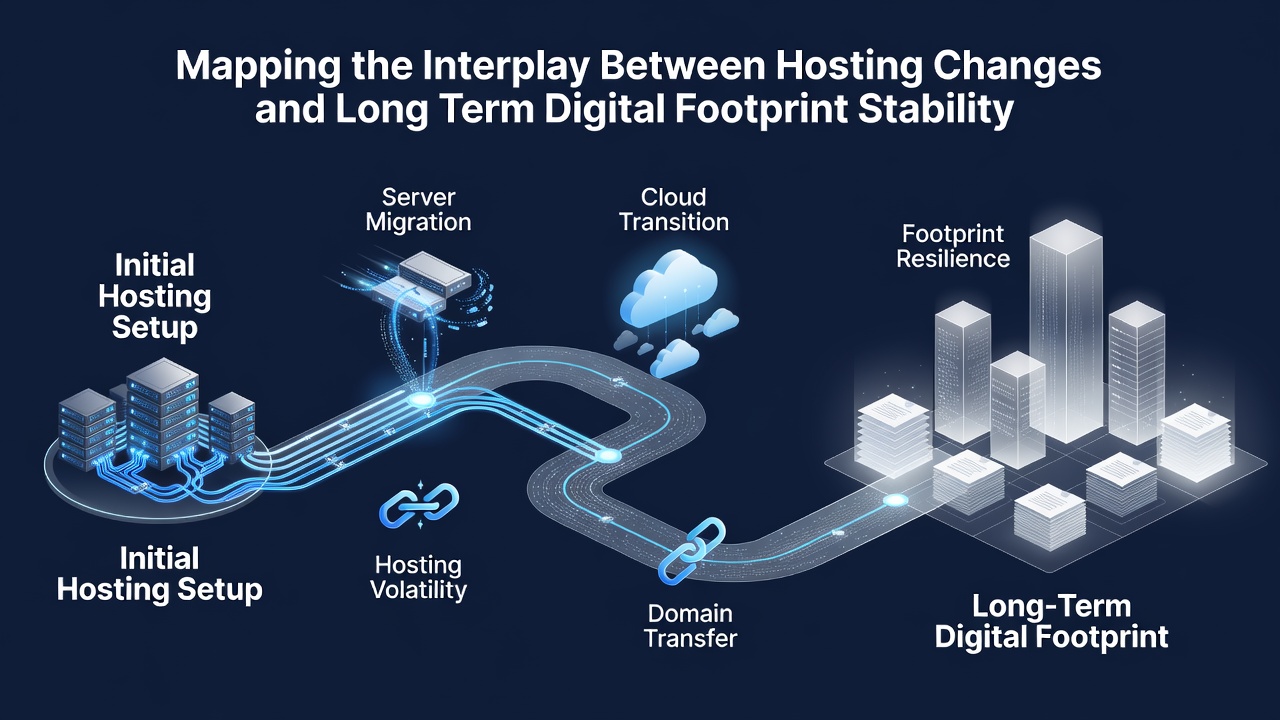
Migration processes introduce temporary redirects, altered IP addresses, and updated nameserver configurations that search engines and archiving services must re-evaluate. Evidence shows that prolonged propagation delays can cause temporary drops in crawl frequency, which reduces the rate at which new content enters historical indexes. Over extended periods these interruptions compound because some archiving systems prioritize sites with consistent infrastructure signals.
According to reports from Innovation, Science and Economic Development Canada, infrastructure shifts also intersect with data sovereignty rules that dictate how long logs and user information must remain accessible. Organizations that overlook these requirements during a move risk creating fragmented records where portions of the footprint become unavailable to researchers or compliance auditors. The result is a stability profile that depends as much on administrative foresight as on the technical quality of the new host.
Patterns Observed Across Multiple Migration Cycles
Analysts examining repeated hosting changes have identified recurring sequences where initial performance dips give way to gradual recovery once DNS caches clear and new certificates establish trust chains. Yet certain markers, such as historical WHOIS entries and archived SSL handshake data, remain unchanged regardless of subsequent moves. These static markers provide continuity that later hosting environments inherit whether or not operators intend it.
By September 2026 several regulatory frameworks are scheduled to expand requirements around digital record preservation, particularly in jurisdictions that align with emerging international data governance standards. Hosting providers operating in those regions will need to adjust retention schedules accordingly, which could influence how footprints evolve for sites undergoing transitions around that period. Data indicates that sites with pre-planned migration roadmaps experience fewer discontinuities in their archived timelines compared with ad-hoc switches.
Measurement Approaches and Available Tools
Professionals rely on combinations of web archive queries, DNS history services, and server log analysis to map how hosting alterations correspond with footprint metrics. These methods reveal correlations between infrastructure uptime records and the density of preserved snapshots over multi-year spans. One case involved a research team that traced a series of provider switches for an educational portal and found that consistent use of content delivery networks helped maintain crawl consistency even as origin servers changed.
Link equity distribution also responds to hosting stability because search algorithms factor in historical response reliability when evaluating site authority. Shifts that introduce prolonged downtime periods can therefore affect how accumulated links contribute to long-term visibility scores. Those who study these dynamics emphasize the value of monitoring tools that track both current performance and archived indicators simultaneously.
Conclusion
Hosting changes and digital footprint stability interact through overlapping technical, regulatory, and archival channels that continue to evolve. Organizations benefit from treating each migration as part of an ongoing record rather than an isolated event, since historical layers influence future assessments regardless of infrastructure updates. Continued observation of these relationships will remain essential as data governance requirements advance toward 2026 and beyond.